Understanding the Range of Electrical Service Offerings for Residential and Commercial Spaces
The landscape of electrical services is diverse, catering to both residential and commercial needs. Each sector presents unique challenges and requirements. Residential services often focus on installations and repairs, while commercial solutions involve more complex systems. Understanding these distinctions is crucial for ensuring safety and efficiency. However, the implications of choosing the right service extend beyond immediate needs. What factors should one consider when evaluating these offerings?
Residential Electrical Services
Residential electrical services encompass a broad range of solutions designed to meet the needs of homeowners. These services include installations, repairs, and maintenance of electrical systems within residential properties. Common tasks performed by electricians involve wiring upgrades, circuit installations, and lighting enhancements, guaranteeing safety and efficiency in homes.
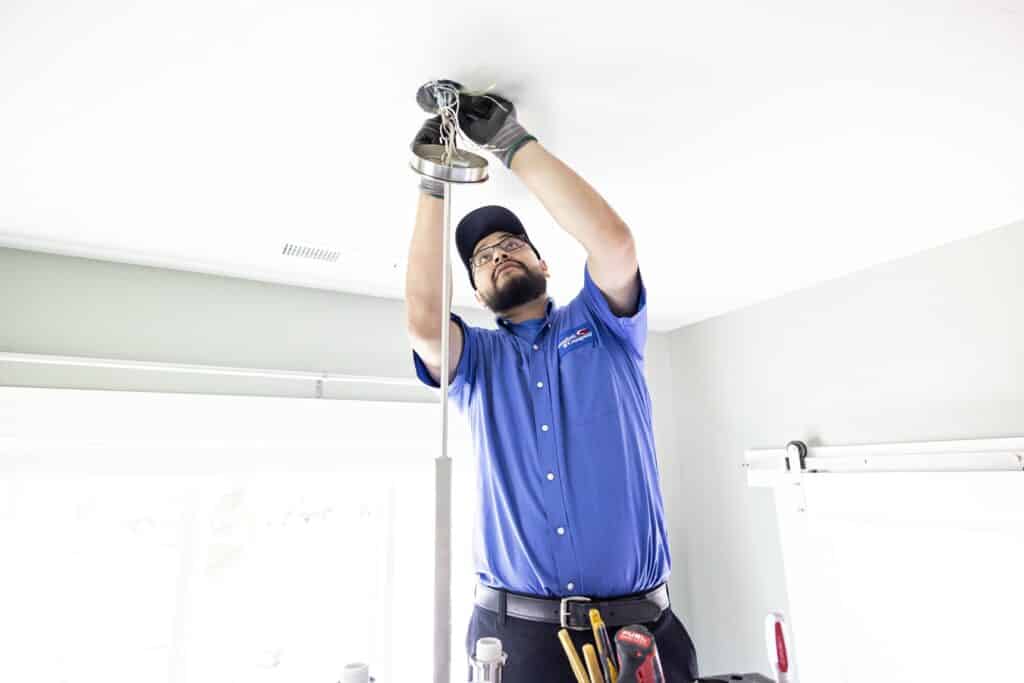
Additionally, electricians are often called upon to troubleshoot and repair electrical issues such as faulty outlets, flickering lights, and circuit breaker problems. They also provide essential services like the installation of ceiling fans, smoke detectors, and home security systems.
Energy efficiency is another focus of residential electrical services, with professionals offering solutions like LED lighting and smart home technology integration. Homeowners can benefit from routine electrical inspections, which help identify potential hazards and guarantee compliance with local codes. Overall, residential electrical services play a significant role in maintaining safe, functional, and modern living environments.
Commercial Electrical Services
When businesses require electrical solutions, they turn to commercial electrical services, which are tailored specifically to meet the demands of commercial properties. These services encompass a wide array of offerings such as electrical system installations, upgrades, and configurations designed for efficiency and compliance with safety regulations.
Commercial electrical services also include specialized lighting solutions that enhance visibility and energy efficiency, as well as the installation of power distribution systems to support various equipment and machinery. In addition, these offerings typically include the incorporation of sophisticated systems, such as intelligent controls and power monitoring, for optimizing power usage.
In addition to installations, they provide assurance that the electrical infrastructure is ready for future modifications, delivering enduring benefit. Expert electrical contractors are trained to manage the intricacy of complex electrical infrastructure, ensuring reliability and safety for the company's functioning.
Periodic Maintenance and Remediation
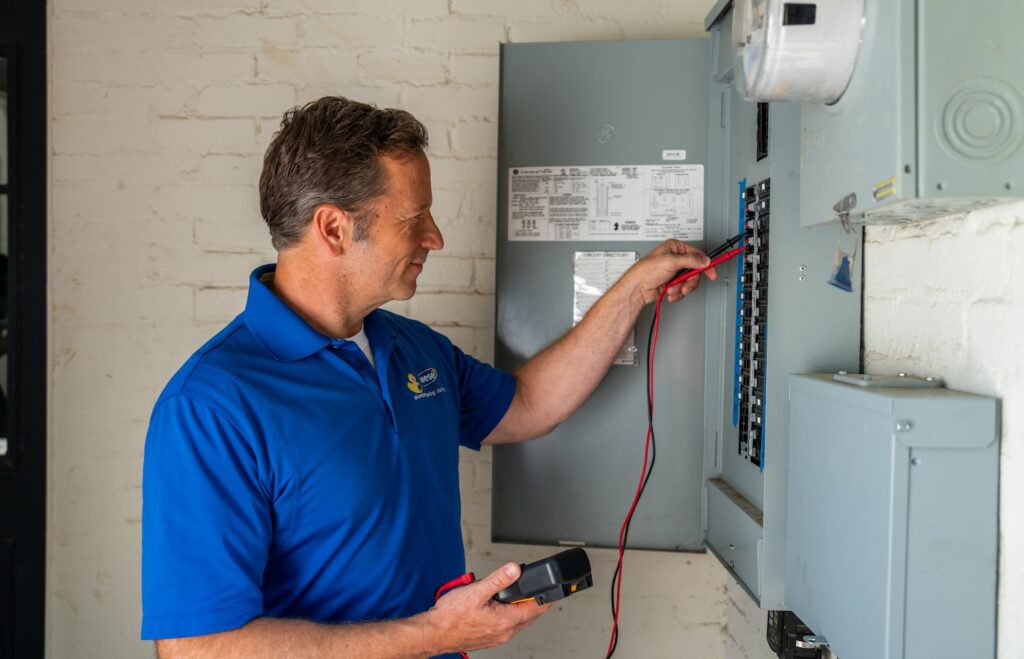
Routine maintenance and repairs are vital components of electrical service offerings which ensure the long life and consistent performance of electrical networks within commercial facilities. Periodic checks assist in finding potential issues before they escalate to major issues. Technicians often check outlets, wiring, and circuit panels for signs of wear or damage, guaranteeing security and adherence to codes
Scheduled maintenance can also enhance power utilization effectiveness, cutting down on running expenses for companies. This preventative method limits business interruptions, helping businesses sustain high production levels and guaranteeing effective system operation
Furthermore, timely repairs are essential to reduce dangers linked to power malfunctions, like equipment breakdown or fire risks. By addressing issues promptly, firms are able to bypass serious setbacks and maintain a safe working environment (Downers Grove Electrician). In summary, funding scheduled servicing and necessary remediation both protects the reliability of the electrical infrastructure but also enhances the total effectiveness of operations of business facilities
Wiring and System Installation
Power system setups serve as the foundation of all commercial premises, providing essential power and connectivity for business activities. This infrastructure covers many parts, like outlets, lighting systems, circuit breakers, and cabling, all designed to meet the specific needs of the business. The procedure starts with meticulous design and layout, to make sure it meets all local laws and regulations. Qualified professionals perform the installation to ensure dependability and security, lessening the chance of power-related risks.
Beyond typical cabling, companies might need specialized infrastructure for example, three-phase electricity for industrial tools or data cabling for communication networks. Proper electrical installations not only enhance operational efficiency but also contribute to the overall safety of the premises. Regular checks and following maintenance procedures are essential to guarantee that the systems stay operational and compliant. Fundamentally, proper power setups are essential for supporting the diverse needs of commercial ventures.
Energy Efficiency Upgrades
Efficiency improvements yield major gains, like decreased power expenses and a smaller carbon footprint. Common options for these upgrades cover light-emitting diode systems, high-efficiency HVAC systems, and advanced insulation techniques. By considering these upgrades, property owners can achieve both monetary benefits and ecological advantages.
The Upside of Energy Savings
Numerous advantages accompany installing energy-saving improvements, making them a wise investment for both homes and businesses. Primarily, these modifications substantially decrease energy consumption, resulting in decreased power costs and increased savings over time. In addition, improved energy efficiency enhances comfort by keeping internal temperatures stable and minimizing air leaks. Buildings featuring efficient systems frequently see a rise in resale price, drawing in green-minded investors. Moreover, many regions offer incentives, subsidies, or fiscal benefits for energy-efficient improvements, further offsetting initial costs. Ultimately, implementing energy-saving methods helps lower the output of GHGs, supporting environmental health and aiding the planet. In conclusion, efficiency improvements provide both financial and environmental gains, making them a prudent choice for those who own real estate.
Standard Improvement Methods
When considering energy efficiency upgrades, real estate holders possess several avenues that significantly improve operation and cut down on spending. A frequent improvement is implementing power-saving illumination, for example, LED bulbs, that require minimal energy and last for a longer time. A further choice involves improving thermal barriers in the building's shell, which reduces thermal leakage and cuts down on HVAC bills. Intelligent temperature controls are also able to offer considerable cost reductions through fine-tuning the heating and cooling according to usage schedules. Furthermore, high-efficiency HVAC systems improve air quality and reduce power usage. Photovoltaic arrays require a larger commitment, letting real estate utilize green electricity. Through the installation of these enhancements, building owners can realize significant lasting financial benefits and support environmental sustainability.
Immediate Electrical Assistance
What procedures should individuals undertake in the event of an urgent electrical situation? Initially, they should prioritize personal safety by switching off the main power supply if it is safe to do so. Next, they should leave the building and call emergency services in case of fire, smoke, or a clear and present hazard. For less critical situations, contacting a licensed electrician who offers immediate repair services is important. Qualified electricians are prepared to handle issues such as power outages, electrical surges, or faulty equipment complete article promptly.
Emergency electrical services are set up to deliver quick help, often available 24/7, making sure that homeowners can recover normal use in their electrical systems quickly. It is important for homeowners to establish a relationship with a trusted electrician beforehand, as this can hasten the reaction during an emergency. Preparedness and knowledge of available services can lessen dangers and boost protection during electrical crises.
FAQs
What Qualifications Should I Look for in an Electrician?
When seeking an electrician, one should look for requirements such as a current license, relevant certifications, extensive experience, insurance coverage, and positive customer reviews. These factors guarantee professionalism, safety, and reliability in electrical work.
How Often Should I Schedule Electrical Inspections for My Property?

Inspections of the electrical system are recommended approximately every four years for residential properties, while commercial spaces may require annual assessments. This guarantees compliance with safety standards, identification of possible dangers, and maintenance of electrical systems.
What Are the Signs of Faulty Electrical Wiring?
Signs of faulty electrical wiring include circuit breakers tripping often, flickering lights, strange smells, frayed wires, and scorched receptacles. These signs usually point to risks, requiring prompt examination by a qualified electrician for safety.
Is performing electrical work yourself lawful and secure?
Do-it-yourself electrical maintenance can be unsafe and could break municipal codes - Downers Grove Electrician. Absent the right skills, people face the danger of harm and the threat of lawsuits. It is usually wise to seek professional assistance for electrical issues to guarantee safety and compliance
What Steps Can I Take to Reduce My Utility Bill Dramatically?
To minimize your monthly energy expense, consider adopting energy-efficient appliances, make use of intelligent temperature regulators, block air leaks, upgrade to light-emitting diodes, and adopt conscious consumption patterns, which helps lower overall usage and lower overall costs.